




Choosing Timeless Companions: A Guide to Materials for Long-Lasting Plushies
A well-loved plushie is more than a toy; it's a keeper of memories, a childhood confidant, or a cherished collectible. Its value often grows with time, making its preservation paramount. While love and care are the most crucial ingredients for longevity, the choice of material forms the very foundation of a plushie's lifespan. Selecting the right fabrics and components can mean the difference between a decades-long companion and one that succumbs quickly to wear. This guide explores the material choices that best ensure your plush friend stands the test of time.
The Foundation: High-Quality Plush Fabrics
The outer fabric is the plushie's skin and first line of defense. For optimal preservation, look beyond mere softness to density and weave.
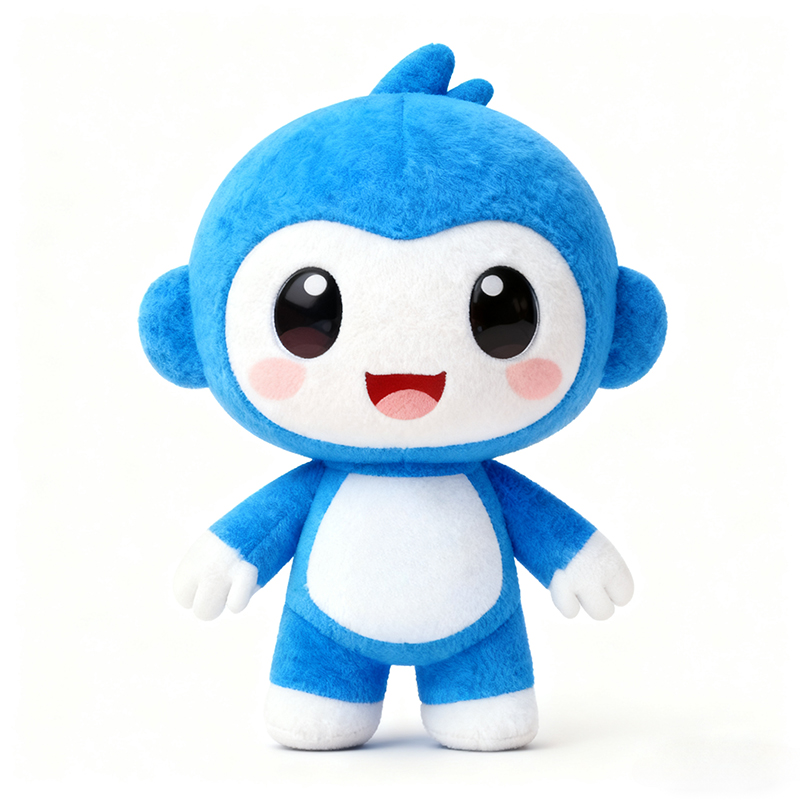
- Premium Polyester Plush (Minky/Faux Fur): This is the gold standard for durability. High-density, short-pile polyester plush, often marketed as "minky," is tightly woven, colorfast, and highly resistant to pilling and shedding. Its synthetic nature makes it less susceptible to moisture damage and moth infestation compared to natural fibers. For a more realistic animal look, quality short-pile faux fur with a sturdy backing performs similarly well.
- What to Avoid: Very long, loose-pile fur is prone to matting and tangling. Cheap, low-density plush can bald quickly. Natural fibers like wool or mohair, while beautiful, are more vulnerable to moths, moisture, and fading unless treated and stored meticulously.
The Inner Structure: Stuffing and Stability
What's inside matters just as much.
- Stuffing: High-density, siliconeized polyester fiberfill is the premier choice. It's hypoallergenic, retains its loft (does not clump or flatten severely over time), and is highly resistant to moisture and mildew. It also allows for thorough washing. Avoid plushies stuffed with foam beads or low-quality fill that can break down into lumps, causing uneven shape and discomfort.
- Reinforcement: For plushies meant to hold poses (like sitting), internal plastic pellets (in a separate sack) or a wire armature can be useful. However, for maximum longevity and safety, especially for children, a simple, high-quality fiberfill stuffing is often best, as internal structures can eventually break and puncture the fabric.
The Details: Eyes, Noses, and Embroidery
Small parts are often the first to fail.
- Embroidered Details: For the utmost safety and durability, machine-embroidered eyes, noses, and mouths are unbeatable. They are made of polyester or rayon thread, which is colorfast and woven directly into the fabric. There are no parts to pull off, and they will never fade or crack like paint. This is the most archival choice.
- Sewn-On or Appliqué Details: Fabric patches for spots, felt mouths, or sewn-on leather noses can be durable if made from quality materials and securely stitched, not glued.
- What to Avoid: Plastic safety eyes/noses with washers are common and generally secure, but the plastic can become brittle and crack after decades. Painted-on features or glued-on components are the least durable; paint chips and glue dries out, leading to failure.
Construction: The Unsung Hero
The best materials can be undermined by poor construction.
- Double-Stitched Seams: Seams should be tight, even, and preferably double-stitched or reinforced at stress points (like limbs and neck). This prevents splitting under pressure.
- Limb Attachment: Look for limbs that are securely sewn and internally anchored, not just tacked on superficially. Well-attached limbs withstand years of hugging and play.
The Verdict: The "Heirloom-Grade" Plushie Formula
For a plushie designed to be preserved for generations, the ideal material combination is:
- Exterior: High-density, short-to-medium pile polyester plush (minky) or quality faux fur.
- Features: Machine-embroidered facial details and accents.
- Filling: Premium, high-loft polyester fiberfill, firmly stuffed to hold shape.
- Construction: Tight, reinforced seams and securely anchored appendages.
Preservation Through Care
Even the hardiest materials need proper care. Regular gentle surface cleaning, occasional hand-washing with mild detergent, thorough drying, and storage away from direct sunlight (which causes fading) and dust will exponentially extend any plushie's life.
In conclusion, while the initial softness of a cheap plush might be appealing, its longevity is fleeting. Investing in a plushie made with high-density synthetic fabrics, embroidered features, quality stuffing, and robust construction is an investment in a future heirloom. By choosing these materials, you ensure that the memories your plushie holds remain as vibrant and tangible as the day it was first hugged.